Investors
Who should you bring in when buying investment property in Cutler Bay?
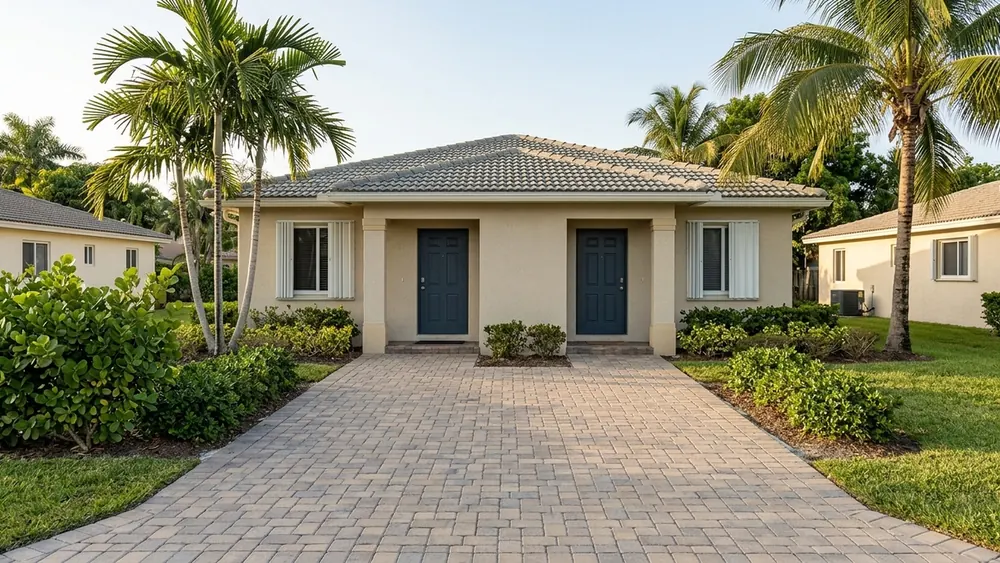
When buying investment property in Cutler Bay, bring in a real estate agent for the property and market side, a licensed home inspector, a real estate attorney, a tax professional and an insurance professional, each for the questions they are qualified to answer.
On this page
- The people who belong in the process
- Start with the property and the numbers
- Bring in a licensed home inspector
- A real estate attorney for documents
- Tax and insurance professionals early on
- Matching each question to its source
- How the pieces fit together in order
- Getting ready for a first conversation
The people who belong in the process
When you buy investment property in Cutler Bay, bring in a small group of professionals, each for a specific set of questions. A real estate agent helps you compare properties and read the local market numbers. A licensed home inspector reviews condition. A real estate attorney helps with contracts and association documents. A tax professional covers taxes, and an insurance professional covers coverage. Local rules go to the Town of Cutler Bay and Miami-Dade County.
This matters because an investment purchase raises questions that no single person should answer alone. When one person tries to cover everything, some questions get answers that sound confident but are not dependable. When each question goes to the right source, you get answers you can rely on, and you can see clearly where the remaining gaps are before you commit to anything.
The goal is not to build a large group for its own sake. It is to know, for each question on your list, who is qualified to answer it. That keeps the process calm and organized, whether you are looking in Cutler Bay, the wider South Miami Dade area, or nearby context such as Homestead or Miami.
Start with the property and the numbers
The real estate side is where the comparison starts. Damien Ramirez works from Cutler Bay with a focus on South Miami Dade, and publishes Cutler Bay market snapshots that explain what the local numbers mean. On this side, the work is comparing properties on condition, type, local rental rules and ongoing costs, and reading the market figures for the type of property you are considering.
What the real estate side does not do is give legal, tax or insurance advice, or promise what a property will earn. Those questions belong with the other professionals in this article. Keeping that line clear matters, because you always know which answers come from which source and which ones still need checking elsewhere. If a question comes up that sits outside real estate, the right move is to name who should answer it.
I help you compare the properties and read the Cutler Bay numbers. For the legal, tax and insurance questions, I always point you to the people qualified to answer them.
Bring in a licensed home inspector
A licensed home inspector reviews the condition of a specific property, which matters more for an investor than almost anything else. Condition shapes repair costs, upkeep and how ready a property is to rent. An inspection gives you an independent view of the roof, the structure and the main systems, rather than relying on what the listing says or what looks fine on a tour.
Plan for the inspection early so it fits within your timeline, and read the report closely when it arrives. Mark anything that changes your view of the property and anything you want to ask about. For a condo, remember that some parts of the building may be the association’s responsibility rather than yours, so ask the association what it covers as well.
Use the inspection results in your comparison, not just as a final step. If two properties look alike on paper, the inspection can be the point that separates them. A property with fewer open questions about condition is easier to plan around, and that clarity is worth having before you decide between options on your list. Keep the reports together so you can compare them directly.
A real estate attorney for documents
A real estate attorney helps you understand contracts and, for a condo or a property in a community association, the association documents. Those documents can set rules on renting, explain what owners are charged and describe how decisions are made. They are often long and formal, and an attorney can explain what they say and how they apply to your plan.
Bring your questions to the attorney in writing, along with any answers the association has given you. That makes the review focused and helps the attorney see exactly what you are trying to do. Do not rely on a summary from anyone with an interest in the sale. The documents and a qualified reading of them are what matter.
Tax and insurance professionals early on
Taxes and insurance are part of what owning an investment property will ask of you, so bring these professionals in before you commit rather than after. A tax professional can explain how owning a rental fits your own situation. An insurance professional can explain what coverage a property of this type needs. Have these points ready for each conversation.
- The property type, whether a single family home or a condo, and how you plan to use it
- The flood zone for the specific property, taken from official flood maps
- Any association charges and what the association says they cover
- Your open questions, written down so each one gets a clear answer
Ask each professional to explain what their answer depends on. That helps you see which details about a property would change the picture, which is useful when you are comparing several Cutler Bay properties at once. It also keeps you from treating an answer for one property as if it applied to every property on your list.
Matching each question to its source
It helps to see the whole group in one place. The table below sets out who to bring in, what each one covers and when in the process their input matters most. Use it as a checklist as you move from comparing properties to deciding on one, and add any other questions the specific property raises.
| Who to bring in | What they cover | When it matters |
|---|---|---|
| Real estate agent | Comparing properties and reading local market numbers | From the first comparison onward |
| Licensed home inspector | Condition of the roof, structure and main systems | Before your decision becomes final |
| Real estate attorney | Contracts and association documents | Before you commit to a property |
| Tax professional | How owning a rental fits your situation | Before you commit, and again as needed |
| Insurance professional | Coverage for the specific property and flood zone | Early, once the flood zone is known |
Local rules sit alongside this table. Questions about renting a property within Cutler Bay go to the Town of Cutler Bay and Miami-Dade County, and association rules go to the association and its documents. With each question matched to its source, the decision becomes a matter of weighing clear answers rather than sorting through guesses. Keep a note of every answer, who gave it and when.
How the pieces fit together in order
A workable order looks like this. Start on the real estate side by comparing properties and reading the market numbers. Check local rules and association documents before a property reaches your short list. Bring in the tax and insurance professionals once you know which properties you are serious about, and the inspector and attorney once you are close to a decision.
The order can shift depending on the property, and some steps run at the same time. What matters is that no question is left with the wrong person and no step is skipped because a property looked like a fit. The market snapshot is context throughout, not a forecast, and any figure should be checked against the current local market report. Revisit your list of open questions at each step, so nothing quietly drops away while the rest of the process moves forward.
Getting ready for a first conversation
Before a first conversation, write down your plan, the type of property you are leaning toward and whether you want to stay within Cutler Bay or widen your search into South Miami Dade. List the properties you are watching and the questions you already have, then mark which professional should answer each one. That list is the most useful thing you can bring.
If you would like help comparing properties and reading the Cutler Bay numbers, bring that list to Damien. The conversation covers the real estate side and points you to the right professional for everything else, so you leave knowing who to call and what to ask. There is no pressure to decide anything, and every question is welcome, including the ones you are not sure how to phrase yet.
This article is general information about real estate in Cutler Bay and South Miami Dade. It is not legal, tax, lending, insurance or inspection advice and does not predict prices, rents or returns. Confirm flood zones with official flood maps, insurance with an insurance professional, HOA, condo association and rental rules with official and legal sources, taxes with a tax professional, financing with a lender, and property condition with a licensed home inspector. Damien Ramirez, NV Realty Services.

Written by