Investors
What should I compare first between Cutler Bay properties?
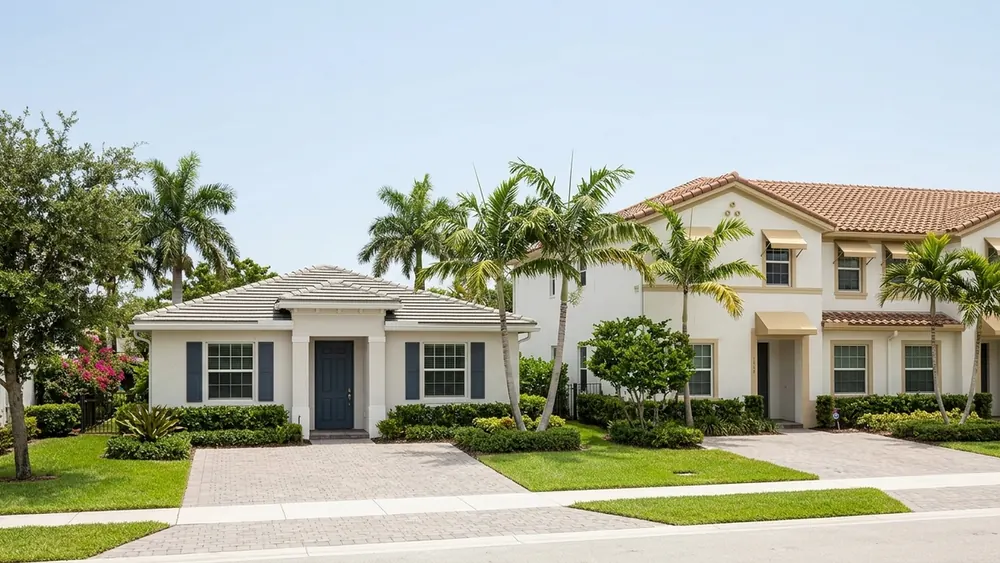
Compare condition, property type, local rental rules and ongoing ownership costs first. Those four points shape every later decision on a Cutler Bay property, and each one leads to a clear question for the right professional before you commit.
On this page
Start with four points before anything else
When you compare Cutler Bay properties as an investment, start with four things: the condition of the property, the type of property, the local rental rules that apply to it, and the ongoing costs of owning it. Those four points come before the asking price, before the photos and before any talk about what a place might earn. They are the facts that decide whether a property fits your plan at all, and they are the facts that are easiest to check early.
This matters because most surprises in an investment purchase trace back to one of those four points. A roof that needs attention, an association rule you did not read, a cost you assumed was small: each changes the picture after you have already grown attached to a property. Comparing on the same four points every time keeps you honest. It turns a pile of listings into a short list you can actually reason about, one property against another.
None of this is a forecast. Nobody can tell you what a property will be worth later or what it will rent for, and you should be wary of anyone who tries. What you can do is understand what you are buying today, in Cutler Bay and the wider South Miami Dade area, and ask the right questions before you decide. That is the approach this article walks through, step by step.
Condition is the first filter to apply
Condition comes first because it affects every other number you will look at later. Two properties that look alike online can be very different once you see the roof, the windows, the plumbing and the electrical systems. A licensed home inspector is the right person to tell you what is actually there. Before that stage, you can still ask the seller and the listing side for records. Here is what to ask for when you first compare condition.
- Records of repairs, replacements and upgrades, with rough dates if the owner has them
- Any known issues the owner is aware of, written down before you tour
- Recent permits for work on the property, checked with the Town of Cutler Bay
- A plan to book a licensed home inspector before your decision becomes final
Property type changes the questions you ask
A single family home and a condo are different kinds of ownership, and comparing them side by side means asking different questions of each. With a single family home, most of the upkeep and most of the decisions sit with you. With a condo, an association shares some of that upkeep and sets rules you agree to follow. Neither is automatically the right fit for an investor. The useful comparison is how each type lines up with your plan, using questions like these.
- Who is responsible for the roof, exterior walls and shared systems on this property
- Whether the association documents limit renting the unit, and on what terms
- What the association charges owners and what those charges are meant to cover
- Whether any repairs or projects are planned for the building or the community
- How much of the upkeep you would handle yourself versus share with other owners
Check local rental rules before you shortlist
Rental rules are the point investors most often check too late. Before a property goes on your short list, find out which rules apply to renting it out. For a single family home, start with the Town of Cutler Bay and Miami-Dade County, which handle local rules and services. For a condo, add the association and its documents, because an association can set its own terms on renting. Write down what you learn, along with where you learned it, so you can compare properties fairly.
Treat each answer as something to confirm, not something to assume. Rules can differ from one property to the next, even within Cutler Bay, and they can change over time. A real estate attorney can help you understand what the association documents actually say and what they mean for your plans. Nothing here is a ruling on what you can or cannot do. It is a list of questions to take to the people who can answer them for the specific property.
If a property you like turns out to carry rental limits you cannot work with, it is far easier to learn that early than after an offer. That is why this check sits ahead of price in the comparison. A property that does not fit the rules you need is not a bargain at any price, so it should drop off the list before you spend time on the rest of the details.
Ongoing costs belong in every comparison
Ongoing ownership costs are the fourth point, and they are where many comparisons go wrong. The purchase price is only the start. You also need a clear view of property taxes, insurance, association charges if there are any, upkeep and the cost of anything the inspection turns up. Ask a tax professional about taxes and an insurance professional about coverage for the specific property. Check the flood zone on official flood maps early, because it can shape the insurance conversation.
Put every cost on the same page for every property you are weighing. A property that looks cheaper at first glance can carry higher ongoing costs, and a property that looks more expensive can carry fewer. You only see that when the costs sit next to each other. This is not about predicting what a property will earn. It is about knowing what owning it will ask of you, month after month, before you agree to buy it.
I always tell investors to put condition, type, rules and costs side by side first. Once those four sit next to each other, the right questions usually become obvious.
Read the market snapshot as context only
Damien Ramirez publishes Cutler Bay market snapshots, and they are a useful part of any comparison when read the right way. A snapshot reports figures such as recent prices, how much inventory is on the market and how quickly homes are moving. Those figures describe the recent past. They help you understand where a property sits among similar properties right now, which is useful context when you weigh one option against another.
What a snapshot cannot do is tell you what will happen next. Treat it as context rather than a forecast, and check any figure against the current local market report before you lean on it. The most useful question to bring to a snapshot is a simple one: what do these numbers mean for this type of property, in this part of South Miami Dade, for the plan you have in mind? That is the conversation worth having.
Your next step before a first conversation
Before you talk with anyone about a specific property, write down your plan in plain words. Note whether you are leaning toward a single family home or a condo, whether you plan to rent the property out, and how much upkeep you are willing to handle yourself. Note whether you want to stay within Cutler Bay or are open to the wider South Miami Dade area, or nearby context such as Homestead or Miami.
Then gather what you already know about the properties you are watching: any condition notes, any rental rules you have found, and any costs you have confirmed. Mark the questions you still need to answer and who should answer each one, whether that is a licensed home inspector, a tax professional, an insurance professional, a real estate attorney or the association. A short, honest list of open questions is more useful than a long list of guesses.
If you would like help reading the Cutler Bay numbers against the properties on your list, bring your questions to Damien. The conversation starts with your plan and the four points in this article, and it ends with a clearer view of which properties deserve a closer look. There is no pressure to decide anything, and every question is welcome, including the ones you are not sure how to ask.
This article is general information about real estate in Cutler Bay and South Miami Dade. It is not legal, tax, lending, insurance or inspection advice and does not predict prices, rents or returns. Confirm flood zones with official flood maps, insurance with an insurance professional, HOA, condo association and rental rules with official and legal sources, taxes with a tax professional, financing with a lender, and property condition with a licensed home inspector. Damien Ramirez, NV Realty Services.

Written by